Office hours: Mon - Fri 09:00 - 17:30; Sat 09:30 - 13:00
Office hours: Mon - Fri 09:00 - 17:30; Sat 09:30 - 13:00
Office hours: East Coast USA: Mon - Fri 09:00 - 17:30 (04:00 - 12:30 local time); Sat 09:30 - 13:00 (04:30 - 08:00)
West Coast USA: Mon - Fri 09:00 -17:30 (01:00 - 09:30 local time); Sat 09:30 - 13:00 (01:30 - 05:00)
Office hours: Ottawa: Mon - Fri 09:00 - 17:30 (04:00 - 12:30 local time); Sat 09:30 - 13:00 (04:30 - 08:00)
Vancouver: Mon - Fri 09:00 - 17:30 (01:00 - 09:30 local time); Sat 09:30 - 13:00 (01:30 - 05:00)
Office hours: Canberra: Mon - Fri 09:00 - 17:30 (20:00 - 04:30 local time); Sat 09:30 - 13:00 (20:30 - 24:00)
Office hours: Mon - Fri 09:00 - 17:30 (22:00 - 06:30 local time); Sat 09:30 - 13:00 (22:30 - 02:00)
Office hours: Mon - Fri 09:00 - 17:30 (check internet for local time equivalent); Sat 09:30 - 13:00
Nine reasons to walk in Spain
So, how well do you really know Spain? Unless you’ve spent years exploring its seventeen regions, you may be surprised at how multifaceted this intriguing country can be.
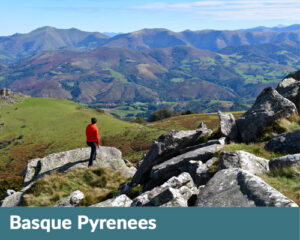

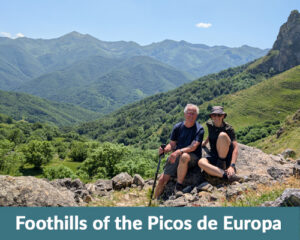
Each of our nine Spanish walking routes will take you on a journey to discover the distinct identity of a region. In the north you’ll find a Celtic- or Iberian-influenced culture, where the older languages are alive and well. Galician has a close relationship with Portuguese, while the Basque Country has a unique language, Euskera, that is unrelated to any other. You’ll hear Catalan in fiercely independent Catalonia, and a near relative of Catalan in the Valencia region.


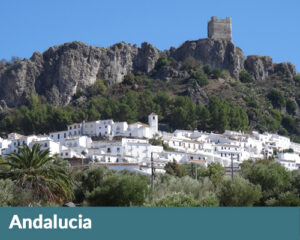
Further south in Andalucia, the historical influences were shaped by centuries of Moorish rule, as can be seen in the beautiful architecture of its towns and grand palaces. And crossing the waters to Mallorca or La Gomera, you’ll find distinctive cultures that have been preserved by their remoteness.
Of course each region is rightly proud of its own food and drink too, often celebrated at local festivals. Look out for tapas in the south, Valencian paella, Cantabrian cocido lebaniego, pintxos in San Sebastian, orange juice straight from the trees in Mallorca, fresh Galician seafood, and some remarkable wines in Catalonia and Ribeira Sacra.
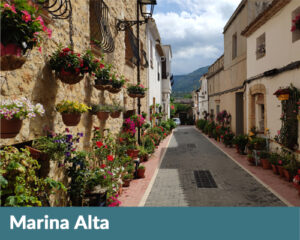
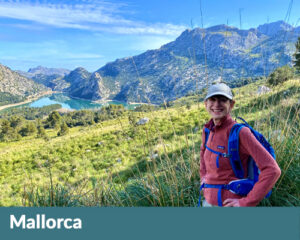
Our local contact, Aznar, will be familiar to anyone who has walked in northern Spain. He says: “The Atlantic on one side (mild and green), the Mediterranean on the other (warm and aromatic), and the fact of it being one of the European countries with more mountains and hills, are the key elements that make Spain such an amazing hiking paradise. It has probably the most varied range of scenery, flora, local culture and food in the continent. I feel so blessed to work designing routes here for On Foot Holidays. Come and see!”
Call and speak to our friendly bookings team to find your perfect Spanish holiday. You’ll usually be able to talk to someone who has walked the route that intrigues you most of all.
Your Spanish walking holiday is waiting for you here!

There’s surely no better place than Greece to feel the history of millennia under your feet as you walk through ancient landscapes. Redolent of myth and legend, it is considered to be the birthplace of Western civilisation, and of course influenced the development of democracy, philosophy, science, art and sport.
On Foot’s four self-guided walking holidays in Greece explore different facets of the country’s landscapes, from islands to mountains. Whether you know this land well or have not yet visited it, there is so much to discover.

Arcadia, in the centre of the Peloponnese region, was home to Pan, the God of the Wild, one of the oldest and most colourful of the Greek Gods. Described by the poet Milton as ‘the bounteous Pan, the god of rural scenery, shepherds, and huntsmen’, he’s a character that is easy to imagine as you walk through woodland glades and mountain pastures along the Menalon Trail.
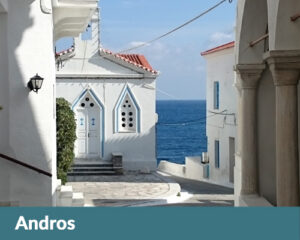
The peaceful island of Andros was not always so – in fact it has been invaded or pillaged by its Mediterranean neighbours from all directions over the centuries. Modern day visitors can still recognise Venetian and Byzantine architecture in the charming old town of Chora that is the heart of the island.
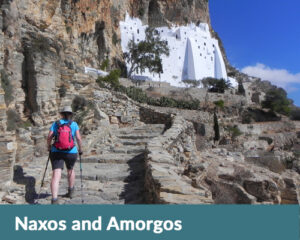
Beneath the surface of Naxos lies the unblemished white marble that has been beloved by sculptors since Neolithic times, and which adorned Classical Greece’s most holy places. One of the delights of this route is the discovery of ruined temples and half-finished statues along the way. On neighbouring Amorgos a highlight is the remarkable thousand-year-old Chozoviotiza monastery, clinging doggedly to cliffs above the sea.

The mountainous Zagori region is most remarkable for its recent history. The remote, stone-built villages around the Vikos Gorge were wealthy in the 18th and 19th centuries, but suffered from depopulation and poverty in the 20th until a spirited regeneration in recent years. Zagori families hold their heritage close, and are determined to maintain their traditions while quietly and sustainably opening up to visitors. The area is now a UNESCO World Heritage Site, recognised for its unique cultural landscape.
Choose your Greek walking holiday here
Explore more On Foot Holidays around Europe
Following a glorious summer in 2025 with lots of gorgeous walking weather, now is the time to look at a walk in the United Kingdom for 2026! From strolling through fields of gambolling lambs in May, to striding out across the moors in summer or exploring autumnal woodlands, this diverse land has so much to offer.
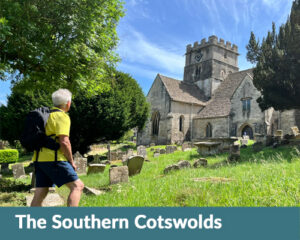
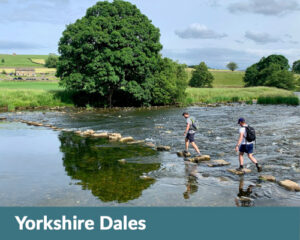
Our approach to creating walking routes in the UK has been to seek out something truly unique. You won’t find yourself just following the same long-distance trails as everyone else – we’ve found the best local experts to put together imaginative and inspiring holidays that avoid the busier places and take you to lesser-known delights.

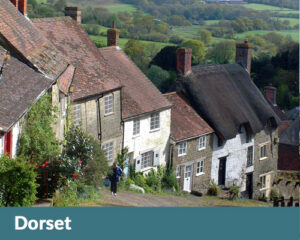
We’ve carefully selected the most rewarding walking days and spectacular landscapes, and woven them together with hand-picked hotels, B&Bs and inns to create experiences second to none.

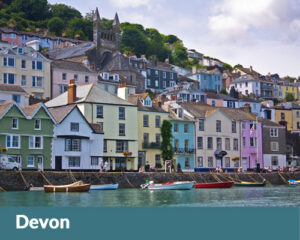
Many of our UK routes make ideal short breaks too, perfect for a quick getaway. Look for our 3-night versions – and on some of them you can even bring your dog to join the fun!